Source bar and plate exhaust curved for trucks, engines, and machinery
Compare 30 listings for bar and plate exhaust curved components sourced from China. Buyers can review specifications like discharge standards, material types, and customization options for automotive and industrial applications.
Key considerations
Products List


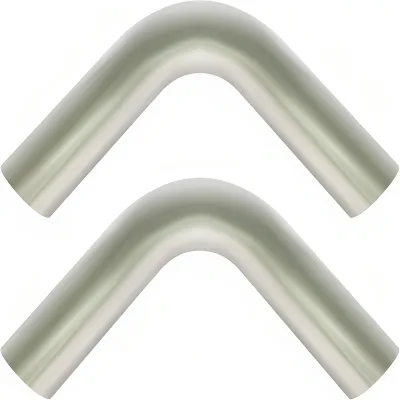


Comprehensive Sourcing Guide
Strategic Sourcing Guide for Bar and Plate Exhaust Curved Components
The procurement of specialized exhaust components, specifically bar and plate exhaust curved configurations, requires a rigorous approach that balances technical precision with supply chain reliability. In the global industrial market, these parts are critical for managing thermal dynamics, acoustic performance, and structural integrity within automotive and heavy machinery systems. Buyers must navigate a complex landscape where material composition, manufacturing standards, and certification requirements vary significantly between suppliers. This guide provides a structured framework for evaluating potential sources, ensuring that the selected components meet the stringent demands of modern engineering applications while adhering to regulatory compliance and cost-efficiency goals.
Technical Specifications and Material Composition
The foundational aspect of sourcing bar and plate exhaust curved components lies in understanding the specific material properties and dimensional tolerances required for the application. The supplied data indicates that Steel and Iron are the primary materials utilized in these manufacturing processes. When evaluating potential suppliers, buyers must verify that the steel alloy used is appropriate for high-temperature environments, as exhaust systems are subjected to extreme thermal cycling. The precision of these components is often dictated by machining tolerances, with specific references to a tolerance of 0.01mm for steel alloy machining parts. This level of precision is essential for ensuring a tight fit within the chassis and preventing leaks or vibration-induced failures.
Dimensional specifications are equally critical. The market data reveals a wide range of product models and sizes, including specific configurations such as 1.5"-6.0" and 2.5 x 4 inch variants. These dimensions suggest that the "bar and plate" construction is adaptable to various flow requirements and spatial constraints within the engine bay. Buyers should not assume that a single standard size fits all applications; rather, they must match the specific prod_model or prod_standard to their engineering drawings. For instance, some listings reference Z12VB. 09.01A and Z12VB. 09.02A as specific model identifiers, indicating that custom or semi-custom designs are common in this sector. The ability to source components with a Customization option is a key differentiator, allowing buyers to tailor the curvature and plate thickness to unique acoustic or flow profiles.
Compliance, Certification, and Regulatory Standards
Navigating the regulatory landscape is a non-negotiable aspect of sourcing exhaust components, particularly given the environmental impact of emissions. The supplied facts highlight several Discharge Standards, including Euro I, Euro IV, and Euro V. These standards dictate the permissible levels of pollutants, and the exhaust system design must align with the target market's regulatory requirements. For example, a component intended for the European market must strictly adhere to the relevant Euro standard, while those for North America may have different compliance criteria. Buyers must verify that the supplier can provide documentation proving that their manufacturing process and final product meet the specific Discharge Standard required for the destination country.
Certification plays a pivotal role in validating the quality and safety of these components. The data indicates that suppliers may hold various certifications, such as ISO, ISOComponent, ISOTS, RoHS, CE, CCC, and ISO9001. The presence of ISO9001 suggests a commitment to quality management systems, while RoHS and CE indicate compliance with environmental and safety directives in specific regions. However, buyers must be cautious not to assume that every listed product possesses every certification. The data shows a mix of certifications, such as ISOGS, RoHS, CE in one context and CE, CCC in another. It is the buyer's responsibility to request current, valid certificates for the specific batch of goods being purchased. Furthermore, the Standard Component designation implies that some parts may be off-the-shelf items, while others are Customized to meet specific needs, which can affect the certification process and lead times.
Cost Drivers and Pricing Dynamics
Understanding the cost structure of bar and plate exhaust curved components is essential for budgeting and negotiation. The observed price range in the market spans from 1 to 64.29 USD, reflecting a significant variance based on material grade, complexity, and order volume. Several factors drive these costs. First, the Material cost is a primary driver; steel and iron prices fluctuate based on global commodity markets, and the specific alloy composition can significantly impact the final price. Second, the level of Customization required adds to the cost. Components that require unique machining tolerances, such as the 0.01mm precision noted, or specific prod_model configurations like WG9725520068, will generally command a higher price than standard universal parts.
The MOQ (Minimum Order Quantity) is another critical cost driver, with observed ranges from 1 to 2000 units. Buyers purchasing small quantities may face higher per-unit costs due to the setup time for custom machining. Conversely, larger orders can leverage economies of scale, reducing the unit price. The prod_packing method also influences logistics costs. Options range from simple Carton or Pallet packing to more robust Plywood Box or Ocean Freight solutions. The choice of packing must align with the shipping method and the fragility of the components to prevent damage during transit, which could otherwise result in additional costs for replacements. Buyers should analyze the total landed cost, including packaging, shipping, and duties, rather than focusing solely on the unit price.
Typical Applications and Market Segmentation
Bar and plate exhaust curved components are versatile and find applications across various sectors, primarily driven by the need for efficient exhaust management in machinery and vehicles. The Main Market data indicates a strong presence in North America, Europe, and South America, suggesting that these components are in high demand globally. The specific Application is often listed as Metal Processing Machinery Parts, indicating their use in industrial equipment where durability and heat resistance are paramount. Additionally, the components are integral to managing Automobile Chassis Noise, specifically addressing Tire Noise, Transmission Noise, and The Noise of Engine.
The Noise Source is a critical consideration in application selection. While some components are designed to mitigate Aerodynamic Noise, others focus on engine-related acoustic issues. The Type of component, identified as an Exhaust Pipe, confirms its role in the exhaust system. Buyers must ensure that the selected component addresses the specific noise and vibration challenges of their machinery. For example, a component designed for Euro IV compliance may be optimized for different acoustic properties than one designed for Euro I. The Condition of the parts is typically New, but buyers should verify the manufacturing date and storage conditions to ensure the material has not degraded. The prod_origin locations, such as China, Shandong, and Qingdao, highlight the concentration of manufacturing hubs in these regions, which can influence lead times and shipping logistics.
Supplier Evaluation and Quality Control
Evaluating suppliers requires a systematic approach to ensure reliability and product consistency. The prod_prop data reveals that suppliers offer various prod_packing methods, including Europe Standard Packing, Carbon Steel (likely referring to material in packing context), and Pallet solutions. A reliable supplier should demonstrate the ability to provide secure and appropriate packaging to prevent damage. The Standard of the product, whether By The Customer Needs or adhering to specific standards like BS, ANSI, JIS, GB, GOST, ASTM, DIN, is a key indicator of quality. Buyers should request a detailed specification sheet that confirms the supplier's adherence to these standards.
Quality control processes must be robust. The presence of ISO9001 certification suggests a structured quality management system, but buyers should also inquire about in-house testing procedures. The Tolerance:0.01mm requirement implies that precision is a priority, and suppliers must have the capability to measure and verify this tolerance consistently. Buyers should consider requesting sample inspections or third-party quality audits before placing large orders. The Customized nature of many products means that the supplier's ability to iterate and refine designs based on feedback is crucial. A supplier with a track record of delivering New condition parts that meet the Discharge Standard is preferable to one that cannot provide clear evidence of compliance.
Long-Term Procurement Considerations
Sourcing bar and plate exhaust curved components is not just a one-time transaction but a long-term partnership that impacts operational efficiency and compliance. The Main Market trends suggest that demand is stable, but regulatory changes, such as updates to Euro standards, could necessitate product evolution. Buyers should select suppliers who are agile and capable of adapting their manufacturing processes to meet new regulations. The prod_model variations, such as universal or specific model numbers, indicate that a diverse inventory is beneficial for maintaining supply continuity.
Lead times and prod_packing logistics are also long-term considerations. The Ocean Freight and Pallet options suggest that international shipping is common, and buyers must account for potential delays. Establishing a relationship with a supplier who offers Customization and can provide Standard Component alternatives when necessary can mitigate supply chain risks. Furthermore, the Condition of the parts and their Application in Metal Processing Machinery Parts imply that wear and tear are factors to consider. Buyers should plan for regular maintenance and replacement cycles, ensuring that the supplier can provide consistent quality over time. By focusing on these long-term factors, buyers can secure a reliable supply chain that supports their operational goals and regulatory compliance.
Comparative Analysis of Product Attributes
To facilitate decision-making, the following table summarizes key attributes observed in the market data, helping buyers compare potential options based on available facts.
| Attribute Category | Observed Values / Options | Relevance to Procurement |
|---|---|---|
| Material | Steel, Iron, Steel Alloy | Determines heat resistance and durability. |
| Standard | Euro I, Euro IV, Euro V, BS, ANSI, JIS, GB, GOST, ASTM, DIN | Dictates regulatory compliance and market eligibility. |
| Certification | ISO, ISO9001, ISOTS, RoHS, CE, CCC | Validates quality management and safety compliance. |
| Dimensional Range | 1.5"-6.0", 2.5 x 4, Universal | Ensures fitment for specific chassis or machinery. |
| Tolerance | 0.01mm | Critical for precision fit and leak prevention. |
| Packing | Carton, Pallet, Plywood Box, Ocean Freight, Europe Standard | Affects shipping costs and damage risk. |
| Customization | Available, Customized, By The Customer Needs | Allows for tailored solutions to specific needs. |
| Origin | China, Shandong, Qingdao | Influences lead time and logistics strategy. |
| Noise Control | Tire Noise, Transmission Noise, Engine Noise, Aerodynamic Noise | Identifies the specific acoustic problem solved. |
This comparative view underscores the diversity of the market. Buyers must align their specific technical requirements with the capabilities of the supplier. For instance, a project requiring Euro V compliance and 0.01mm tolerance will necessitate a supplier with specific certifications and precision machining capabilities, rather than a generalist provider. By carefully cross-referencing these attributes, buyers can make informed decisions that balance cost, quality, and compliance.
Conclusion
Sourcing bar and plate exhaust curved components demands a meticulous approach that integrates technical specifications, regulatory compliance, and supplier reliability. The market offers a wide array of options, from standard Steel and Iron parts to highly Customized solutions with precise 0.01mm tolerances. Buyers must navigate the complexities of Euro discharge standards, verify ISO and other certifications, and understand the cost drivers associated with MOQ and packaging. By focusing on the specific needs of their application, whether in North America, Europe, or South America, and by selecting suppliers who demonstrate a commitment to quality and adaptability, buyers can secure a supply chain that ensures long-term operational success. The data provided highlights the importance of due diligence in every step of the procurement process, from initial specification to final delivery.
FAQs
What materials are used for bar and plate exhaust curved parts?
Steel and iron are the primary materials used for these components. Some parts utilize steel alloy machining with a tolerance of 0.01mm to ensure precision and durability in high-temperature environments.
Which discharge standards do these exhaust pipes meet?
The products comply with Euro I, Euro IV, and Euro V discharge standards. Buyers must verify specific compliance based on the target market, as requirements vary significantly between regions like Europe and North America.
Can I order customized bar and plate exhaust curved components?
Yes, customization is available to meet specific customer needs. Suppliers can adjust dimensions and designs, with model options ranging from universal sizes to specific identifiers like Z12VB. 09.01A for tailored applications.
What certifications are available for these exhaust pipe products?
Common certifications include ISO, CE, RoHS, CCC, and ISO9001. Specific batches may hold combinations like ISOGS, RoHS, and CE, so buyers should request valid certificates for the exact order batch to ensure regulatory compliance.
How are these products packaged for ocean freight shipping?
Packaging options include cartons, pallets, plywood boxes, and Europe standard packing. Some listings specify ocean freight or carbon steel packing methods to ensure the components arrive safely without damage during international transit.
What is the price range for bar and plate exhaust curved parts?
The observed price range spans from 1 to 64.29 USD per unit. Costs vary based on material grade, customization levels, and order volume, with minimum order quantities ranging from 1 to 2000 units affecting the final price.